AGP Executive Report
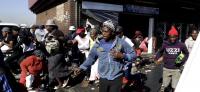
Last update: 8 hours agoFuel & Transport Costs: Dangote Refinery’s latest petrol gantry hike to N1,350/litre has pushed many filling stations to about N1,395 in Abuja/Lagos, with crude now above $100—raising pressure on transport, food and logistics. Trade & Imports: Nigeria’s passenger vehicle imports jumped 146% to N1.18tn in H1 2026, while the transport equipment import bill rose to N3.73tn as transport policy shifts and tariff changes feed import demand. Markets: NGX market value hit N215.09tn after a N65.4tn surge in eight months, buoyed by investor confidence and earnings. Policy & Governance: New reports allege $10.2m US lobbying spend by Tinubu and Atiku camps under FARA—sparking debate on opportunity cost versus domestic needs. Diplomacy & Security: Nigeria suspended official visits to South Africa over xenophobic attacks; Nigerians in SA demand stronger action and reparations. Skills & Jobs: NASENI trained 220 youths in Benue on solar installation and household product production with starter packs. BRICS & Trade Finance: At BRICS in India, Nigeria’s leaders reiterated support for multilateral trade; BRICS discussions also pushed local-currency settlement to cut transaction costs, with no push for a common BRICS currency. Extradition & Fraud: Six Nigerians extradited from South Africa to the US over alleged $6m+ romance scams.
Note: AI summary from news headlines; neutral sources weighted more to help reduce bias in the result. Feedback is welcome. Please let us know if you have any comments or suggestions about the AGP Executive Report.
 Perspectify News